

When I first started looking into small business financing options, I was honestly overwhelmed. There are so many choices out there, and it feels like the rules keep changing every year.
In 2025, the list of ways to fund a business is even longer. Whether you’re just getting started or trying to keep your business steady during a rough patch, knowing what’s available can make all the difference.
Here’s what I’ve learned about small business financing options and how you might find the right fit for your needs.
Key Takeaways
- There are more small business financing options in 2025 than ever before, from traditional bank loans to online lenders and crowdfunding.
- Traditional loans usually have lower rates but require strong credit and more paperwork.
- SBA loans are government-backed and offer better terms, but the process can be slow and detailed.
- Alternative options like merchant cash advances or invoice factoring are faster but often cost more.
- Startups may have the best luck with microloans, crowdfunding, or community programs if they don’t qualify for bigger loans.
What Is Small Business Financing?

If there’s one thing I’ve found to be a common thread among all kinds of business owners—whether you’re baking cupcakes from your kitchen or running a small web design studio—it’s the need for money to keep things moving forward.
Small business financing is basically any way I get funds to start, run, or grow my business, outside of just dipping into my personal savings.
What makes it tricky in 2025 is that there are more options (and more hurdles) than ever. I can turn to banks, government programs, or even newer tech platforms, depending on my situation. Each comes with its own pros and cons, and it’s rarely “one-size-fits-all.”
At its core, small business financing covers a few main things:
- Giving me a way to pay for things like inventory, equipment, rent, or even payroll
- Helping me expand when the time is right—maybe opening a new location or launching a new product
- Letting me handle emergencies, such as unexpected repairs or slow seasons
A lot of folks think it’s just about loans from the local bank, but that’s only the tip of the iceberg. There’s government-backed programs, cash advances, crowdfunding, private lenders, and even options like the Canada Small Business Financing Program for Canadian entrepreneurs like myself.
I’ve noticed that some kinds of financing work better for established companies with solid revenue, while others—like microloans—are aimed at smaller or newer operations.
But no matter what, the whole point is to give me the money and flexibility I need, so my business doesn’t get stuck or miss an opportunity due to a lack of cash.
I’ve learned that the right financing can make running a business a whole lot less stressful. Knowing what types exist and how they work helps me choose the best possible match—saving time, money, and a few headaches along the way.
Types of Small Business Financing Options
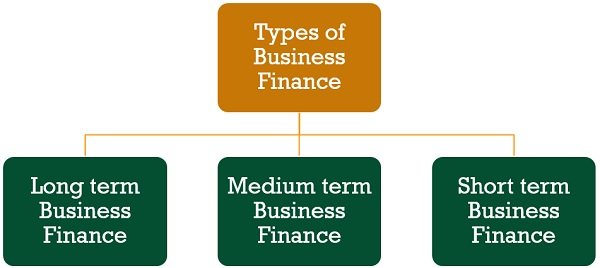
Finding the right financing can seem like a huge task, especially when you start looking at all the possibilities. The thing is, every small business is unique. What works for one might be all wrong for another.
Below, I’ve laid out some of the main ways to fund a small business. I’ll talk through each method and what usually stands out about it—good or bad.
Traditional Bank Loans
Traditional banks are still many business owners’ first stop for funding. These are classic term loans—you get a set amount of cash up front and repay it over a specific period, usually in monthly payments with interest. Here’s what you should know:
- Good for established businesses with a strong financial record and steady revenue
- Interest rates tend to be lower than other options, but you really do need good credit
- Tons of paperwork: You’ll be asked for tax returns, financial statements, and possibly collateral
- Long approval times—sometimes a few weeks or even longer
Honestly, banks aren’t the easiest to deal with if your business is really new or your finances are shaky. But the terms can be pretty solid if you qualify.
SBA Loans (Small Business Administration)
SBA loans are kind of like bank loans with training wheels—the government backs a portion of the loan to make lenders more comfortable. These are offered by regular banks, but you’re applying for an SBA program, not directly with the government.
Instead, the bank checks your details and submits the application. There are a few different types:
- SBA 7(a) loans: The most popular, good for working capital, buying equipment, or even buying other businesses
- SBA 504 loans: Best for real estate and big equipment purchases
- SBA microloans: Smaller amounts for stuff like inventory, maxing out around $50,000
A couple of things to keep in mind:
- SBA loans usually want a thorough business plan
- Your personal and business credit both matter
- They can take a while to get, but the rates and terms might make it worth the hassle
Business Lines of Credit
A business line of credit works a lot like a credit card for your company. You get approved for a maximum amount but only pull what you need, when you need it.
- Super flexible: Take out and pay back as cash flow goes up and down
- Interest charges only on what you use (not the full approved amount)
- Can be secured or unsecured—secured means you must pledge something as collateral
- Helpful for making payroll during slow months or buying extra inventory when you expect a rush
My only warning here: Credit lines can be closed or reduced if your financial health changes, so don’t count on them as a forever safety net.
Equipment Financing
If your business needs a truck, a pizza oven, or fancy computers, equipment financing is made for this. The equipment itself usually acts as collateral, making these loans a bit easier to qualify for than some others.
- Spread the cost out: Usually paid over the useful life of the equipment
- Ownership or leasing: Some deals let you own the item at the end, while others are simple leases
- Credit requirements can be less strict than for a traditional loan
One downside: If you skip payments, the lender can repossess the equipment pretty easily.
Invoice Factoring
Ever get frustrated waiting for customers to pay their invoices? Invoice factoring is a way to get paid sooner. Here’s how it works:
- You sell your unpaid invoices to a factoring company (they pay you something like 80-90% right away)
- They collect from your customers later and give you the rest, minus their fee
- It’s fast: You can get cash in a day or two
But—fees can add up, so make sure the quick cash is worth the cost.
Merchant Cash Advances
A merchant cash advance isn’t really a loan. Instead, you get a lump sum in exchange for a piece of your daily credit card sales or future business deposits. It sounds easy, but there are a few catches:
- Lightning-fast approval: Sometimes in a single business day
- Super high “factor rates” (think: expensive repayments)
- You pay more if you make more sales—the bank pulls a set percentage of your daily sales
If you’re in a pinch and can handle high costs for short-term cash, it’s an option. But I’d be careful—these costs pile up fast.
Microloans and Community Lending Programs
Not every small business needs $100,000 to get rolling. Microloans are smaller loans, often from nonprofits or local development groups. Community lenders might also offer flexible programs, especially to business owners who don’t have great credit or a lot of collateral.
- Amounts can be as small as a few thousand dollars
- Many come with extra help like mentoring or training
- Ideal for brand-new businesses or side hustles without much business history
Just expect stricter limits on how much you can borrow, and sometimes higher rates than a regular bank loan.
Alternative Small Business Financing Options

When I first started looking for ways to fund my business that didn’t involve the usual bank loans or government programs, I was surprised by just how many alternative options were out there.
These aren’t just backup plans—they’re real solutions for small businesses, especially if you don’t fit the typical loan checklist or you need cash fast. Here’s what I’ve learned after a lot of research and talking to other small business owners.
- Online and Non-Bank Lenders: These have exploded over the past few years. The application is usually quick, everything happens online, and you’ll get a decision fast—sometimes in just a day or two. They offer products like short-term loans, merchant cash advances, and invoice financing. The catch is the cost: higher interest rates and fees compared to banks. But if your business can handle the higher payments and speed is your top priority, it could be worth exploring.
- Crowdfunding: This is way more mainstream than I expected. You don’t have to give up equity if you don’t want to—plenty of sites let you raise money in exchange for pre-orders or perks. You do need a good story and a product people get excited about. There’s a lot of work in marketing your campaign, but the upside is you get to build a community around your business from the start. Crowdfunding has become a practical choice for startups and creative projects after more traditional routes fall short. It’s wild to see how much money can be raised on some of these platforms. According to some of the options listed for small business funding, alternative routes sometimes outperform expectations when the campaign reaches the right audience.
- Seller Financing: I’ve heard more about this recently—mainly for people buying out an existing business. Instead of going through a bank, the seller lets you pay them in installments, sometimes over several years. The terms usually come down to negotiation, but it’s often flexible and based on mutual trust. People like this because it keeps things simple, and the seller’s success is tied to the buyer’s success, which can make the transition smoother for everybody.
- ROBS (Rollovers as Business Startups): This is one of the most unique approaches. It lets you use retirement savings to fund a business without taking on debt. Setting it up is complicated, involving some paperwork and rules, and it isn’t for everyone. But for anyone willing to take the risk, it’s a way to tap into retirement funds and put them into their own venture instead of the stock market.
Whenever I look at these options, I have to remind myself to read all the fine print. The speed and access are great, but sometimes the risk or costs can sneak up if you’re not careful.
Whatever route I consider, I always compare it against more classic choices like government small business loans to see what really fits my needs and risk tolerance. It’s not a one-size-fits-all situation—sometimes combining a few of these alternatives is the best move.
Small Business Financing Options for Startups

Finding money to launch a startup always feels like a maze. When I started looking for options, I was shocked by how many choices there were—each with their own quirks, rules, and hurdles. For new businesses, some of the most realistic financing options I’ve found include:
- Personal Savings: This is honestly where most of us start. Tapping into your savings or maybe even getting help from family or friends. It sounds simple, but it puts your own money at risk and can be stressful if things don’t go as planned.
- Microloans: These are small loans (usually $500 to $50,000) from nonprofits or community lenders. They seem less scary to qualify for than big bank loans and often come with business coaching or advice—super helpful when you’re just starting out.
- Credit Cards: This isn’t ideal due to high interest rates, but when other doors shut, a credit card is a quick way to pay for inventory or advertising. Just have a clear plan to pay it off before interest piles up.
- Crowdfunding: Platforms like Kickstarter and Indiegogo let you raise small amounts from a lot of people. It’s not a guaranteed win, and you need to put a lot of effort into your campaign, but it’s creative and doesn’t require giving up any ownership, usually.
- Angel Investors or Early-Stage Investors: These are people who specifically want to back new businesses. If you’ve got a pitch and some proof your idea could work, they might invest in return for a share of your business. Not easy, but definitely possible if you network and can show potential.
I learned quickly that banks tend to avoid startups unless you already have sales and a chunk of cash stashed away. Most traditional financing right out of the gate just isn’t realistic.
For me, being open to piecing together a few different options, instead of betting everything on one source, lowered my stress and helped smooth out all the bumps.
Staying organized with paperwork and being honest about risks kept me (mostly) out of trouble. If you’re looking to get your startup funded, being creative and persistent counts for a lot more than you might expect.
Starting a business is tough, but you don’t have to do it alone. There are many simple ways to get the money you need, like business loans or personal loans. Want to learn more and take the next step? Visit our website now to see your options!
Conclusion
So, after looking at all these financing options, I can say there’s no single answer that works for everyone. In 2025, there are more ways than ever to get funding for a small business—some are fast, some are slow, some are cheap, and some cost a bit more.
I’ve learned that it really comes down to what my business needs right now and what I’m comfortable with. If I want low rates and don’t mind paperwork, maybe a bank or SBA loan makes sense.
If I need money fast or have less-than-perfect credit, online lenders or even crowdfunding could be the way to go. The most important thing, at least for me, is to read the fine print, ask questions, and not rush into anything.
Every business is different, and so is every loan. Taking the time to match the right financing to my goals makes all the difference. Good luck out there—I know I’ll be double-checking my numbers before I sign anything.
Frequently Asked Questions
What’s the easiest way for me to get funding for my small business in 2025?
The easiest way for me to get funding is usually through online lenders or community programs. These options often have simple applications and quick approval times. However, they might cost a bit more than bank loans.
How do SBA loans work, and can I qualify for one?
SBA loans are backed by the government, which helps lenders feel safer giving out money. To qualify, I usually need good credit, a solid business plan, and some financial history. The process can take a few weeks, but the interest rates are often lower than other loans.
Are there financing options if my business is brand new or doesn’t have much credit?
Yes, there are! If my business is just starting or I don’t have much credit, I can look at microloans, crowdfunding, or even some online lenders. These options are more flexible, but I should check the costs and terms carefully.
What’s the difference between a bank loan and a line of credit?
A bank loan gives me a lump sum of money that I pay back in set amounts over time. A line of credit lets me borrow only what I need, when I need it, and I only pay interest on the amount I use. Lines of credit are great for covering short-term costs or emergencies.
How can I use equipment financing for my business?
With equipment financing, I can buy or lease things like computers, trucks, or machines. The equipment itself is usually used as collateral, which means the lender can take it if I don’t pay. This makes it easier for me to get approved, even if my credit isn’t perfect.
What should I watch out for with alternative financing options?
When I use alternative financing like merchant cash advances or invoice factoring, I need to be careful about high fees and fast repayment schedules. I always read the fine print and make sure I understand how much I’ll owe and when I’ll need to pay it back.

