

When I first started my business, getting funding felt like a huge hurdle. Banks wanted all sorts of paperwork and collateral I just didn’t have. Then I learned about merchant cash advances, or MCAs. They seemed like a different way to get money for my business, and honestly, I was curious.
It’s a way to get cash upfront in exchange for a portion of your future sales. It’s not exactly like a traditional loan, and that’s what makes it interesting, especially for small businesses like mine that might not fit the usual lending mold. I’ve been looking into how they work, what they cost, and if they’re a good fit for businesses needing quick cash.
Key Takeaways
- A merchant cash advance provides upfront capital in exchange for a percentage of your future credit card sales.
- Repayments are flexible, tied to your daily or weekly sales, meaning you pay more when sales are high and less when they’re low.
- MCAs are often faster and easier to qualify for than traditional business loans, especially for businesses with consistent card sales but perhaps less-than-perfect credit.
- Costs are typically expressed as a factor rate or flat fee, which can sometimes result in a higher effective annual percentage rate (APR) compared to traditional loans.
- They can be useful for various business needs, like inventory, renovations, or covering temporary cash flow gaps, but it’s important to understand the total cost before accepting one.
What is a merchant cash advance?
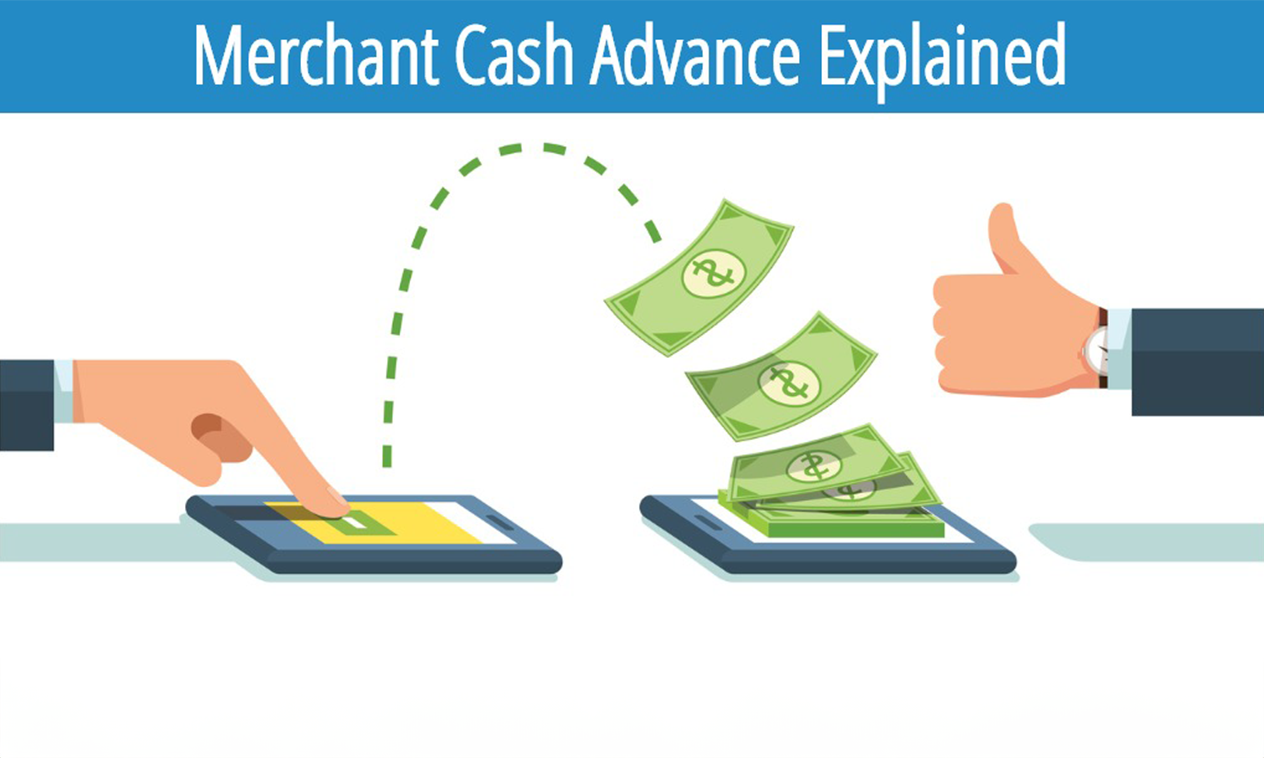
So, you’re running a business and need some extra cash, but a traditional bank loan feels like a long shot or just too slow. That’s where a merchant cash advance, or MCA, comes in. Think of it as getting a lump sum of money upfront in exchange for a portion of your future sales.
Here’s a breakdown of how I see it:
- Upfront Capital: You get a chunk of money all at once. This can be super helpful for unexpected expenses or opportunities.
- Repayment Tied to Sales: Instead of fixed monthly payments, you pay back the advance with a percentage of your daily credit and debit card sales. If your sales are high one day, you pay back more. If sales are slow, you pay back less.
- No Collateral Needed (Usually): Most MCAs don’t require you to put up specific assets as collateral, which is a big plus if you don’t have much to offer.
- Faster Approval: Compared to bank loans, getting approved for an MCA is often much quicker. This means you can get the funds you need in days, not weeks or months.
It’s a different way to get funding, and it works best for businesses that have consistent credit card sales. The way to get working capital without the usual hurdles of bank financing.
It’s a way to access capital based on your sales history, which can be a real game-changer for small businesses that need funds quickly.
This structure means your repayment amount fluctuates with your sales volume, offering a degree of flexibility that traditional loans often lack.
How does a merchant cash advance work?

So, you’re probably wondering how this whole merchant cash advance (MCA) thing actually works in practice. It’s not like a typical bank loan where you get a lump sum and then have to figure out fixed monthly payments. Instead, it’s a bit more dynamic, and it’s tied directly to how your business is doing day-to-day.
Percentage of debit/credit card sales
This is the most common way an MCA is repaid. When you get an advance, you agree to let the MCA provider take a small, fixed percentage of your daily credit and debit card sales.
So, if your business makes $1,000 in card sales on a given day and your agreed-upon holdback rate is 10%, the provider automatically collects $100. You keep the remaining $900. If sales are slower one day, say $500, they collect $50, and you keep $450.
This means your repayment amount fluctuates with your revenue. It’s a pretty straightforward system that helps ensure you’re not overextending yourself when business is slow. It’s a way to get upfront capital without the stress of fixed payments that might be hard to meet during leaner periods.
This method is often preferred because it aligns repayment directly with your business’s sales cycle, making it a more manageable way to handle the advance. It’s a key feature that sets MCAs apart from traditional business loans.
Fixed withdrawals from a bank account
Another way an MCA can be structured is through fixed daily or weekly withdrawals directly from your business’s bank account. While the percentage of sales method is tied to your revenue, this approach involves a set dollar amount being withdrawn on a regular schedule.
For example, you might agree to have $200 withdrawn from your account every business day until the total amount of the advance, plus the agreed-upon fee, is repaid.
This method offers a more predictable repayment schedule compared to the percentage of sales, but it doesn’t automatically adjust if your sales dip unexpectedly.
It’s important to understand which repayment structure you’re agreeing to, as it can significantly impact your cash flow management. Some businesses prefer this because they know exactly how much will be debited and when, which can simplify budgeting.
However, it’s crucial to ensure that the fixed withdrawal amount is sustainable for your business, even on slower days. This is a key difference to consider when looking at merchant cash advance providers.
The core idea behind an MCA is that the provider is essentially buying a portion of your future sales at a discount. You get cash now, and they get their money back, plus a fee, through a stream of your future revenue.
It’s a different way of thinking about financing, where the repayment is directly linked to your business’s performance rather than a rigid, predetermined schedule.
Merchant cash advance rates and fees

When I first looked into a merchant cash advance (MCA), I was a bit confused about how the costs actually worked. It’s not like a traditional loan with a simple interest rate. Instead, MCAs use something called a ‘factor rate.’ Think of it as a fee charged upfront for the money you receive.
So, if you get an advance of $10,000 and the factor rate is 1.2, you’ll end up repaying $12,000 in total. That extra $2,000 is essentially the cost of the advance.
It’s important to remember that this rate is fixed from the start.
Even if your business starts doing much better later on, that factor rate won’t change, which can sometimes make the effective cost higher than you might expect, especially if you pay it back quickly. It’s a bit different from a loan where interest might change.
Beyond the factor rate, there aren’t usually a lot of other fees, which is one of the selling points. Most providers are pretty upfront about the total amount you’ll need to repay.
It’s crucial to compare offers from different providers because the factor rate can significantly impact the total cost of the advance. Don’t just take the first offer you get; do your homework to find the best terms for your business.
Merchant Cash Advance vs. Traditional Business Loans

When I first started looking into ways to get some extra cash for my business, I kept running into the same old advice: get a traditional bank loan. And yeah, I get it, banks are the usual route. But honestly, the whole process felt like trying to climb Mount Everest in flip-flops.
Instead of a fixed monthly payment that hits you whether you had a good sales week or not, an MCA takes a small percentage of your credit card sales each day.
Here’s a quick rundown of how they stack up:
- Approval Process: Banks are tough. They dig into your credit history, your business plan, and your collateral. MCAs, on the other hand, care more about your sales history, especially your credit card sales.
- Repayment: Bank loans have fixed payments, usually monthly. MCAs take a cut of your daily or weekly credit card sales. This means your payments change based on your sales volume, which can be a lifesaver during slow periods.
- Collateral: Most traditional loans require you to put up assets – like equipment or property – as security. MCAs typically don’t ask for collateral. The advance is secured by your future sales, not your physical stuff.
- Cost Structure: Banks charge interest. MCAs use something called a factor rate, which can sometimes work out to be more expensive than a bank loan, especially if you pay it back quickly.
“The biggest difference, for me, is the flexibility. A bank loan is a set amount with set payments, no matter what. An MCA adjusts with your business.”
So, while a bank loan might be the go-to for some, I found that the MCA route offered a more accessible and adaptable way to get the funding I needed without the intense scrutiny and rigid structure of a traditional loan. It’s about finding the right tool for the job, and for me, that was the MCA.
Drawbacks and Risks of Merchant Cash Advances

While a merchant cash advance (MCA) can seem like a quick fix for business funding, I’ve found it comes with some significant downsides that anyone considering one should really think about. It’s not always the straightforward solution it appears to be.
Another thing that worries me is how the repayment structure can mess with your cash flow. Because they take a percentage of your daily or weekly sales, you pay more when business is good and less when it’s slow.
That sounds fair, but if sales dip unexpectedly, those automatic withdrawals can still strain your operating budget.
Here are a few other points that give me pause:
- Doesn’t build credit: Paying back an MCA doesn’t usually get reported to credit bureaus. So, even if I manage to pay it off on time, it doesn’t help my business credit score or make it easier to get other types of financing down the road.
- Confusing contract terms: Some contracts have clauses that can be really problematic, like allowing the provider to take funds directly from my bank account without much notice or locking me into using a specific payment processor.
- No benefit for early repayment: The fee is fixed, meaning paying back the advance faster doesn’t reduce the total cost. This can significantly increase the effective annual cost of the advance, making it a very expensive way to borrow money if you have the ability to repay it quickly.
It’s definitely something to approach with caution and a solid plan for repayment. I’d always recommend looking into other financing options first if possible.
How to Qualify for a Merchant Cash Advance

Getting a merchant cash advance (MCA) is generally simpler than a traditional bank loan, which is a big draw for many business owners. I’ve found that the requirements focus more on your business’s sales activity than your personal credit score. Here’s what most providers look for:
- Time in Business: Most companies want to see that your business has been operating for at least a few months, often six months to a year. This shows a track record of sales.
- Monthly Revenue: You’ll need to demonstrate a consistent flow of income. Typically, providers look for a minimum amount of monthly revenue, often around $5,000 or more, with a good portion of that coming from credit and debit card sales.
- Credit/Debit Card Sales Volume: This is a big one. MCAs are directly tied to your future sales, so providers want to see that you have a steady stream of credit and debit card transactions. They’ll usually ask for several months of processing statements to get a clear picture.
- Business Bank Statements: Expect to provide 3-6 months of your business bank statements. This helps them assess your overall cash flow and financial health.
The application process itself is usually pretty straightforward. You’ll typically need to provide basic business information, like your legal name, entity type, and industry.
They’re not digging into your personal credit history like a bank would; instead, they’re assessing your business’s ability to generate sales. It’s all about looking at your past performance to predict future repayment ability.
Some payment processors, like Stripe, even offer integrated financing where they assess your eligibility based on your account history and payment volume, often without a formal application.
If you’re applying through a third-party provider, you’ll want to compare different options to find a reputable one.
I always suggest looking at their terms, fees, and customer reviews before committing. It’s important to find a provider that is transparent about all costs involved, so you know exactly what you’re getting into.
You can often find these types of advances through payment processors or specialized MCA providers.
What MCA can be helpful for?

So, when might I actually find a merchant cash advance useful? I’ve been looking into this a bit, and it seems like it’s not for everyone, but there are definitely situations where it could be a real lifesaver for a small business.
If I’m selling stuff all the time and taking cards, the payments will adjust naturally. It’s not like a fixed loan payment that hits whether sales are good or bad.
Here are a few specific scenarios where I think an MCA could really help:
- Covering unexpected expenses: Maybe a piece of equipment breaks down, or there’s a sudden need for repairs. An MCA could provide the cash to fix it quickly and keep the business running without a huge disruption.
- Managing seasonal dips: If my business has slow months, like a retail store after the holidays, an MCA can help bridge the gap. The repayment amount would go down when sales are lower, making it easier to manage cash flow.
- Investing in growth opportunities: Perhaps there’s a chance to buy inventory at a discount, run a big marketing campaign, or even just update the look of my shop. An MCA could provide the capital to seize those opportunities.
It’s important to remember that MCAs aren’t really for long-term financing needs. They’re more of a short-term solution for immediate cash flow issues or specific, time-sensitive opportunities. I need to be sure I understand the total cost before I commit, though.
If I’m looking to expand my business operations in Canada, I might consider looking into options like Bizfund for business growth. It’s all about finding the right tool for the job, and for quick, flexible funding tied to sales, an MCA could be it.
MCA can be a great help for many situations. Whether you need funds for your business or personal needs, MCA can provide the support you’re looking for. Discover how MCA can assist you by visiting our website today!
Wrapping It Up
So, after looking at all this, I’ve come to see that a merchant cash advance isn’t really like a traditional loan at all. It’s more like selling off a piece of your future sales for cash now. For my business, especially when I need funds quickly and don’t have a lot of collateral, it seems like a decent option. But, I’ve learned it’s super important to really understand the costs involved, like that factor rate, and how the repayment works with my sales.
It’s definitely not a one-size-fits-all solution, and I need to be careful to pick a provider that’s upfront about everything. I’ll be sure to read all the fine print before I ever sign anything.
Frequently Asked Questions
What exactly is a merchant cash advance?
Think of a merchant cash advance, or MCA, as getting cash now for a slice of your future sales. Instead of a traditional loan with interest, I get a lump sum upfront. Then, I pay it back with a small percentage of my daily credit or debit card sales. It’s like selling a bit of my future earnings today.
How do I pay back a merchant cash advance?
The repayment is usually automatic. The company that gave me the advance takes a set percentage of my daily credit and debit card sales. If I have a really good sales day, they take a bit more. If it’s a slower day, they take less. This means my payments change with my sales, which is pretty handy.
Is a merchant cash advance like a regular business loan?
Not really. With a regular loan, I borrow a fixed amount and pay it back with interest over a set time. An MCA is more like selling a portion of my future sales. There’s no interest in the traditional sense, but there’s a factor rate or fee, and the repayment isn’t on a fixed schedule. It’s often quicker to get than a bank loan, too.
Can I get an MCA even if my credit isn’t perfect?
Yes, that’s one of the big draws! Most MCA providers look more at my business’s sales history, especially credit and debit card sales, rather than my personal credit score. So, even if my credit isn’t the best, I might still qualify, which is great for businesses like mine.
What can I use the money from an MCA for?
I can use the cash for almost anything my business needs to grow or keep running smoothly. This could be buying more stock, fixing up my shop, paying for advertising, covering unexpected costs, or even hiring new staff. It’s flexible working capital.
What happens if my business sales drop significantly?
That’s where the flexibility comes in. Because the repayment is a percentage of my sales, if my sales drop, the amount I pay back each day also drops. This helps prevent me from falling behind, though it does mean it might take longer to pay off the advance.


