

When I first started my business, figuring out how to fund it felt like a puzzle. There are so many options out there, and honestly, it was a bit overwhelming. Two of the most common ways to get money for your business are a line of credit and a business loan.
They sound similar, but they work quite differently. I’ve learned a lot about the Line of Credit vs. Business Loan debate, and I want to share what I know to help you make the best choice for your own company. It’s all about understanding what each one offers and when it makes sense to use them.
Key Takeaways
- A line of credit is like a credit card for your business; you can borrow, repay, and borrow again up to a set limit, only paying interest on what you use. It’s great for managing day-to-day costs and unexpected expenses.
- A business loan gives you a lump sum of money upfront that you repay with interest over a set period. It’s usually better for specific, larger purchases or projects where you know the exact amount you need.
- Lines of credit offer more flexibility in how you use the funds and when you repay them, but they might have smaller amounts and potentially higher, variable interest rates.
- Business loans typically offer larger amounts and fixed repayment terms, which can be good for planning, but they are less flexible and often require collateral.
- The best choice between a Line of Credit vs. Business Loan depends on your business’s specific needs, like whether you need ongoing access to funds or a one-time large sum, and your comfort level with repayment structures and interest rates.
Line of Credit vs. Business Loan – What’s the Difference?

When I first started thinking about getting some extra cash for my business, I found myself staring at two main options: a line of credit and a business loan.
Honestly, they sounded pretty similar at first, but the more I looked into it, the more I realized they’re actually quite different. Understanding these differences is key to picking the right one for what I need.
A business line of credit, or LOC, is kind of like a credit card for my business. It’s a flexible pot of money that I can borrow from, pay back, and then borrow from again, up to a certain limit.
I only pay interest on the money I actually use, which is a big plus. It’s great for managing day-to-day expenses or those unexpected costs that pop up.
- Revolving Credit: I can borrow, repay, and borrow again without reapplying, as long as I stay within my credit limit.
- Interest on Usage: I’m only charged interest on the amount I’ve drawn, not the total credit limit.
- Flexibility: I can use the funds for various business needs as they arise.
A business loan, on the other hand, is more straightforward. I get a lump sum of money upfront, and then I pay it back over a set period with regular payments.
This is usually for a specific purpose, like buying a new piece of equipment or expanding my operations. It’s a more defined commitment than a line of credit.
- Lump Sum Disbursement: I receive all the funds at once.
- Fixed Repayment Schedule: I have a clear plan for paying back the borrowed amount, usually with fixed monthly payments.
- Specific Purpose: Loans are often tied to a particular business need or investment, and I usually have to explain what the money is for when I apply. This can be helpful for planning business investments.
So, the main takeaway for me is that a line of credit is for ongoing, flexible needs, while a loan is typically for a specific, larger purchase. It’s important to know which one fits my business’s current situation best.
Advantages of a Business Line of Credit
When I’m looking for funding, flexibility is usually my top priority. That’s where a business line of credit really shines for me. It’s not like a traditional loan where you get a big chunk of cash all at once and then have to start paying it back immediately.
Instead, think of it more like a credit card, but for bigger business needs. I can borrow what I need, up to a certain limit, and I only pay interest on the amount I actually use.
This is a huge plus when my cash flow gets a bit bumpy, like when I’m waiting on a big client payment or need to cover payroll during a slower month.
One of the biggest benefits I’ve found is the immediate access to funds. Once I’m approved, the money is there, ready for me to draw on whenever a need pops up. I don’t have to go through a whole new application process every time I need a bit of extra cash.
It’s a revolving resource, meaning as I pay back what I’ve borrowed, that amount becomes available to borrow again. This makes it a really reliable safety net for unexpected expenses or to quickly jump on a new opportunity, like getting a discount for buying inventory in bulk.
It’s definitely more suitable for working capital needs than using a credit card for larger expenses.
Another point I appreciate is that the interest rates are often lower than what I’d find on a business credit card, especially for larger amounts. This can save me a significant amount of money over time, particularly if I need to fund things like startup costs or new equipment.
Plus, the credit limits are typically higher than what credit cards offer, sometimes well over $100,000, which gives me more breathing room for substantial investments or to cover seasonal cash flow gaps. It just feels more manageable for the bigger picture of my business finances.
Advantages of a Business Loan

When I’m looking for funding for my business, I often consider a business loan. It just feels more straightforward for certain things. For starters, the repayment schedule is usually fixed.
This means I know exactly how much I need to set aside each month, which makes budgeting a lot easier. I don’t have to worry about interest rates suddenly jumping up and messing with my cash flow projections.
Another big plus is that business loans often come with lower interest rates compared to lines of credit, especially if I opt for a fixed rate. Over the long haul, this can really save me money.
Plus, if I need a significant chunk of cash for something specific, like buying new equipment or expanding my office space, a loan is perfect. I get the whole amount upfront in one go, which is exactly what I need for those larger, planned investments.
It’s not like a line of credit where I might be tempted to dip into it for smaller things. A loan helps me stay focused on the big picture.
Here are some of the main reasons I lean towards a business loan:
- Predictable Payments: The fixed repayment schedule makes financial planning much simpler. I know what to expect each month.
- Potentially Lower Interest Rates: Especially with fixed-rate loans, I can often secure a better rate than with a line of credit, saving on overall borrowing costs.
- Large Lump Sums: For major purchases or investments, getting the full amount upfront is incredibly useful and helps me execute my plans without delay.
- Clear Purpose: Sometimes, having the funds tied to a specific purpose, as is often the case with business loans, helps me stay disciplined with my spending and focused on growth.
Disadvantages of a Business Line of Credit

While a business line of credit offers a lot of flexibility, it’s not without its downsides. I’ve found that sometimes the very things that make it attractive can also be its biggest drawbacks. For starters, those variable interest rates can be a real headache.
One month your payment is manageable, and the next, it’s jumped up because the market shifted. It makes it tough to budget accurately, and I’ve definitely had to scramble to cover unexpected increases.
Then there are the fees. It’s not just about the interest you pay on what you borrow. Some lines of credit come with annual fees, draw fees every time you take money out, or even inactivity fees if you don’t use it for a while.
It feels like you’re being nickel-and-dimed sometimes, and those costs can add up quickly, eating into your profits.
Another thing I’ve noticed is that the borrowing limits on lines of credit are often lower than what you can get with a traditional business loan. If I have a big project or need to make a significant purchase, a line of credit might just not be enough.
It’s great for day-to-day cash flow management, but for larger capital needs, I’ve had to look elsewhere. It’s important to consider if the amount you might need fits within the typical limits of a business line of credit.
Finally, qualifying for an unsecured line of credit can be surprisingly tough. Lenders often want to see a really strong credit history and a solid track record of financial stability. If your business is newer or has had some ups and downs, getting approved, or getting a decent limit, can be a real challenge.
Disadvantages of a Business Loan

While a business loan can be a solid way to get a chunk of cash for your company, it’s not without its downsides. For starters, once you get the money, that’s it.
You can’t go back and ask for more from the same loan; if you need additional funds, you’ll have to go through the whole application process again. This lack of flexibility can be a real headache if your needs change unexpectedly.
Then there are the payments. Business loans usually come with a fixed repayment schedule. This sounds good for budgeting, but if your business has slow months or unexpected dips in revenue, those fixed payments can really put a strain on your cash flow.
It’s like having a car payment even when you’re not driving the car much – you still owe the full amount.
Some loans also come with penalties if you try to pay them off early. So, if you have a great quarter and want to clear the debt to save on interest, you might get hit with an extra fee.
It’s definitely something to look out for when you’re comparing offers. And for larger loans, especially from traditional lenders, you’ll often need to put up collateral.
Key Differences Between Line of Credit and Business Loan (Comparison Table)
When I’m trying to figure out how to fund my business, I always find it helpful to lay out the main differences side-by-side. It makes it so much clearer which option might be the better fit for what I need right now. Here’s how I see the main distinctions:
| Feature | Business Line of Credit | Business Loan |
|---|---|---|
| Access to Funds | Revolving credit; draw, repay, and borrow again up to limit | Lump sum disbursed once; cannot re-borrow after repayment |
| Purpose | Flexible; good for ongoing needs, cash flow, emergencies | Specific, one-time investment or project |
| Repayment Structure | Pay interest on drawn amount; flexible repayment options | Fixed installments over a set period |
| Interest Rates | Often variable; charged only on borrowed amount | Can be fixed or variable; predictable cost with fixed rates |
| Collateral | May be secured or unsecured | More commonly requires collateral, especially for larger amounts |
| Amount | Typically smaller than loans | Can offer larger amounts |
| Qualification | Generally easier to qualify for | Often requires stronger credit history and financials |
Beyond the table, I also think about these points:
- Flexibility: A line of credit feels like a safety net I can dip into whenever needed, almost like a business credit card. This is great if I’m not exactly sure how much I’ll need or when.A loan, on the other hand, is a set amount for a set purpose. If I know I need $50,000 for a new piece of equipment, a loan makes more sense.
- Cost: With a line of credit, I only pay interest on what I actually use. So, if I have a $10,000 line but only draw $2,000, I’m only paying interest on that $2,000. Loans usually have interest calculated on the full amount borrowed from day one.
- Usage Restrictions: Sometimes, loans come with strings attached. The lender might want to know exactly how I’m spending that money, and I have to stick to it.Lines of credit are usually much more open-ended, letting me use the funds for various operational needs without a lot of oversight.
Alternatives to Line of Credit and Business Loan
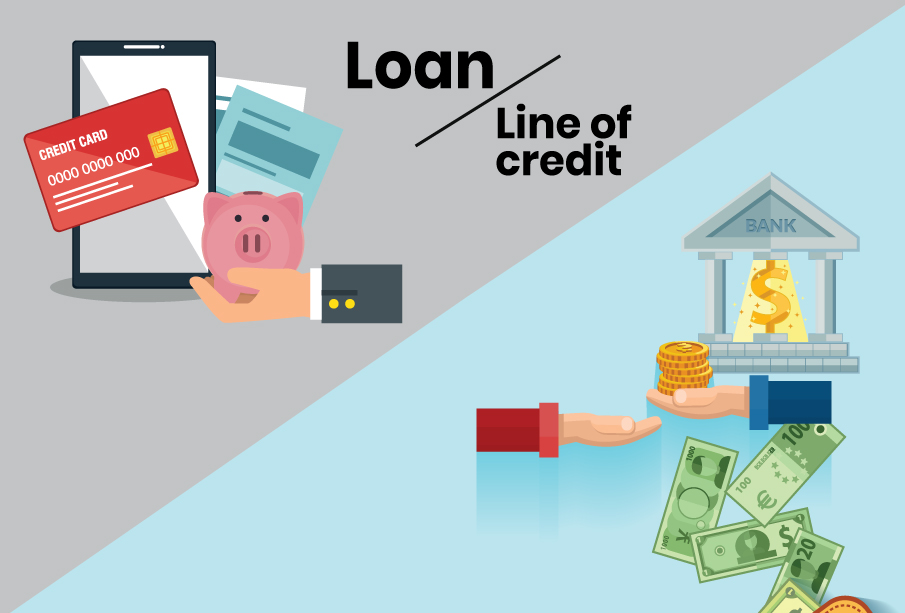
Sometimes, a traditional line of credit or a standard business loan just doesn’t fit what I need. It happens. When I’ve found myself in that spot, I’ve looked into a few other avenues.
One thing I’ve explored is working with credit unions. They’re member-owned, and I’ve found they often have pretty decent terms, sometimes better than big banks, especially if I’m already a member. Plus, the service can feel a lot more personal, which I appreciate.
Another option I’ve considered is looking at online lenders. These guys can be really flexible. They often have different ways of looking at your business, not just your credit score, and can sometimes get funds to you faster.
I’ve seen some that offer loans, and through partners, they can even provide access to lines of credit. It’s worth checking out if you need something quick or if your business is a bit unconventional.
You can explore various alternatives to traditional bank business loans, and these can offer different pathways for small businesses to secure funding.
I’ve also heard good things about Community Development Financial Institutions, or CDFIs. These are basically banks that focus on helping out communities, often those that are underserved.
If I’ve had trouble getting approved elsewhere, a CDFI might be a good place to turn because they’re designed to help businesses that might not fit the typical mold. It’s a way to get funding while also supporting community growth, which is a nice bonus.
Looking for different ways to get money for your business besides a line of credit or a loan? There are other options available that might be a better fit for you. Explore these alternatives and see how they can help your business grow. Visit our website today to learn more!
So, Which One Should You Choose?
Ultimately, deciding between a business line of credit and a business loan really comes down to what your business needs right now. If you’re looking for flexibility to cover day-to-day costs or unexpected expenses, a line of credit might be your best bet.
It’s like having a safety net you can dip into as needed. On the other hand, if you have a specific, big purchase in mind, like new equipment or a major expansion, a business loan with its fixed payments and predictable structure could be the way to go.
I’ve found that understanding these differences helps a lot when you’re trying to figure out the best way to get your business the money it needs to grow. It’s worth taking the time to really think about your business’s situation before you apply for anything.
Frequently Asked Questions
Why would I choose a line of credit over a business loan?
I’d pick a line of credit if I needed flexibility. It’s like a credit card for my business; I can borrow money when I need it, pay it back, and borrow again. This is super handy for managing everyday costs or unexpected bills without having to apply for a whole new loan each time.
Can I use both a line of credit and a loan at the same time?
Absolutely! I can use a loan for a big, specific purchase, like buying new machines, and then use a line of credit to help with smaller, ongoing expenses like paying my staff during slower months. It’s all about using the right tool for the right job.
Is it better to use my business’s cash or get a loan/line of credit?
While it’s good to have cash on hand, using credit can help me keep my savings safe for emergencies. Plus, using credit responsibly helps build my business’s credit history, which can make it easier to get loans in the future. It’s a way to protect my business and grow its reputation.
Which is easier to get approved for, a loan or a line of credit?
It really depends on my business. Some lines of credit, especially those that don’t require collateral, might have stricter rules because they’re riskier for the lender. But generally, if I have good credit and a solid business history, I should be able to qualify for either.
How do interest rates compare between the two?
Typically, lines of credit might have slightly higher interest rates, and these rates can change over time. Business loans often have fixed rates, which makes it easier to plan my budget because I know exactly how much the interest will be. However, with a line of credit, I only pay interest on the money I actually use, which can sometimes make it cheaper if I don’t borrow much.
What if I need a lot of money for a big project?
If I need a large, fixed amount of money for something specific, like buying a building or expanding my operations significantly, a business loan is usually the better choice. Loans typically offer larger amounts than lines of credit and are designed for those big, one-time investments.


