

Getting a loan when your credit isn’t the best can feel like a big hurdle. I’ve been there, staring at rejection letters or confusing terms, wondering if it’s even possible to get ahead financially.
But the truth is, even with a less-than-perfect credit score, there are ways to secure the funds you need. This guide is all about breaking down how to get a loan with bad credit, making the process clearer and hopefully less stressful for you.
Key Takeaways
- You can still get a personal loans even if your credit score is below 580.
- Lenders who work with bad credit will look closely at your income and job history.
- A loan for bad credit can be a stepping stone to improving your credit score over time.
- Be ready to compare offers carefully, as bad credit loans often come with higher rates and fees.
- Consider options like secured loans or adding a cosigner to improve your chances of approval.
What Does “Bad Credit” Mean?

So, you’ve heard the term “bad credit” thrown around, and maybe you’re wondering what it actually means for your finances. Basically, it’s a way for lenders to gauge how risky it might be to lend you money. Think of it like a report card for how you’ve handled borrowed money in the past.
When lenders talk about bad credit, they’re usually looking at your credit score. This number, typically ranging from 300 to 850, gives them a quick snapshot. Generally, a score below 600 is considered low, and anything in the low 600s is below average. If your score falls into this range, it suggests you might have had some trouble in the past with things like:
- Making payments late or missing them altogether.
- Having a high amount of debt compared to your available credit.
- Dealing with more serious issues like defaults or bankruptcies.
It’s not the end of the world, though. Many people find themselves with less-than-perfect credit for various reasons. The important thing is understanding where you stand. You can usually check your credit score for free online, which is a good first step before you even think about applying for any kind of loan.
Knowing your score helps you understand what kind of loan options might be available to you and what interest rates you might expect. It’s all about getting a clear picture of your financial situation so you can make informed decisions moving forward.
Can You Get a Loan with Bad Credit?
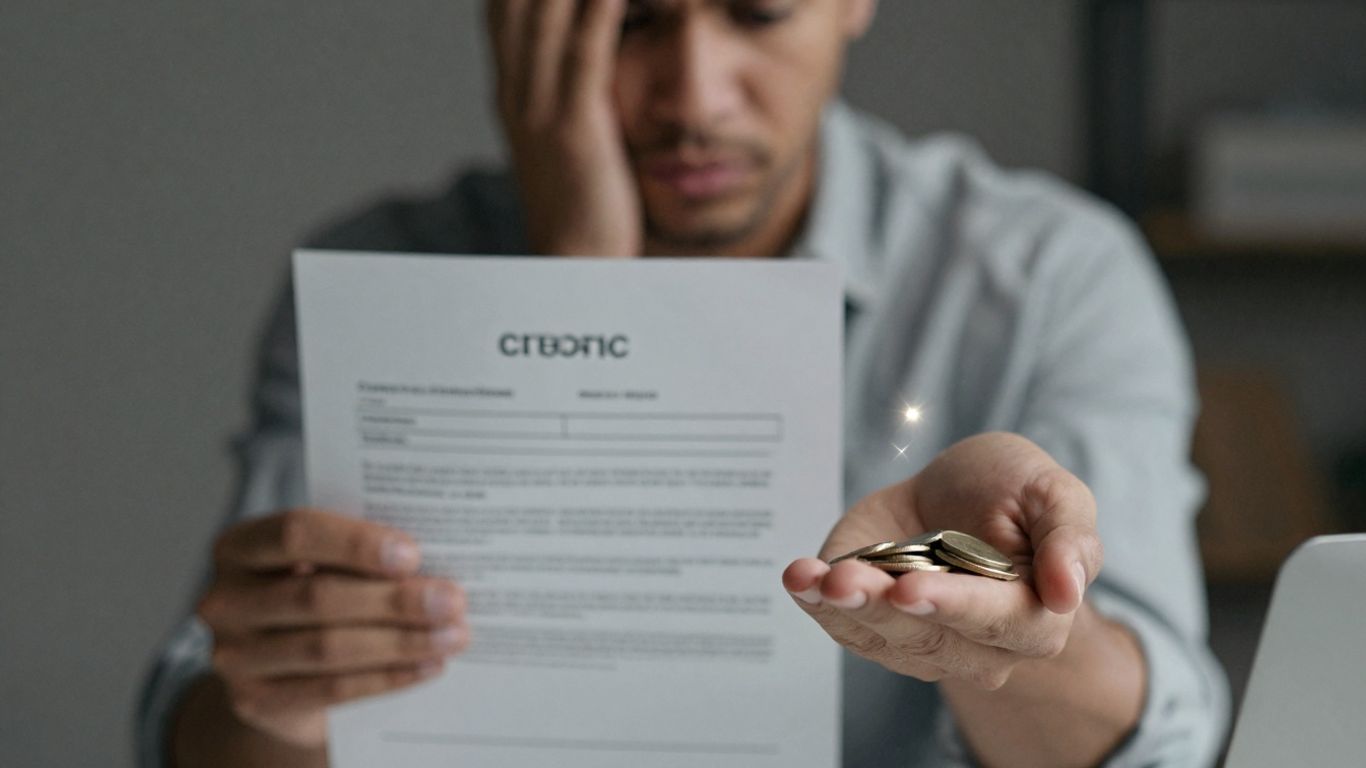
So, you’ve found yourself in a situation where your credit isn’t exactly stellar, and you’re wondering if getting a loan is even possible. This is super important whether you’re looking into how to get a business loan with bad credit, how to get a quick loan, or how to get a $2,500 loan with bad credit.
But the good news is, it’s not always the end of the road. Yes, you absolutely can get a loan with bad credit, though it might take a bit more effort and you’ll likely face different terms than someone with a spotless history.
Think of it this way: lenders see a low credit score as a higher risk. They’re worried about getting their money back. So, when you’re looking for options, especially for things like how to get a personal loan with bad credit.
How to get a car loan with bad credit, or even how to get a small loan with bad credit, you’ll need to show them you’re still a good bet. This often means looking at lenders who specialize in working with people who have less-than-perfect credit.
Here’s what I’ve learned about increasing your chances:
- Know Your Score: Before you even start looking, get a clear picture of where you stand. You can check your credit score for free. This helps you understand what lenders might see and where you might have trouble. It’s the first step to figuring out how to get approved for a loan with bad credit.
- Consider Collateral: Loans that require collateral, like a secured loan or how to get a home equity loan with bad credit, are often easier to get approved for. If you have something valuable, like a car or savings, you can use it to back the loan. This lowers the risk for the lender, making them more willing to lend, even with a low score. This is also key for how to get a secured loan with bad credit.
- Shop Around Smartly: Don’t just apply everywhere. Many lenders offer prequalification, which lets you see your chances without hurting your score. Compare interest rates and fees carefully. This is super important whether you’re looking into how to get a business loans with bad credit, how to get a quick loan with bad credit, or how to get a 2500 loan with bad credit.
- Look Beyond Traditional Banks: While banks can be tough with bad credit, credit unions and online lenders are often more flexible. They might have different criteria or offer specific products like personal installment loans designed for people with credit challenges. This is also relevant for how to get a loan with bad credit history.
It’s definitely a different ballgame than if you had excellent credit, but with the right approach, you can still find ways to borrow money, whether it’s for a car, land (how to get a loan for land with bad credit or how to get a land loan with bad credit), or even construction (how to get a construction loan with bad credit). The key is being informed and persistent.
Types of Loans for Bad Credit

So, you’ve got less-than-stellar credit and need a loan. It’s not the end of the world, but you do need to know what your options are. Not all loans are created equal, especially when your credit score isn’t looking too hot. I’ve looked into a few different kinds, and here’s what I found:
Secured vs. Unsecured Loans
This is a big one. A secured loan means you’re putting something up as collateral. Think of your car, or maybe even your house, though that’s a bit more serious. Because the lender has something to fall back on if you can’t pay, they’re usually more willing to lend, even with bad credit.
The interest rates might be a little better too. On the flip side, an unsecured loan doesn’t require any collateral. This sounds great, right? But it also means the lender is taking on more risk. Because of that, unsecured loans for bad credit often come with higher interest rates and fees. It’s a trade-off you’ll see a lot when dealing with bad credit.
Payday Loans
Okay, I’ll be honest, these make me a bit nervous. Payday loans are short-term loans, usually due on your next payday. They’re often advertised as a quick fix for emergencies. The catch? The fees and interest rates can be incredibly high.
Seriously, they can add up fast. If you don’t pay it back on time, you can get caught in a cycle where you’re constantly borrowing to pay off the last loan. I’d really only consider this if it’s an absolute last resort and you have a solid plan to pay it back immediately.
Personal Installment Loans
These are probably the most common type of loan people look at. With an installment loan, you borrow a set amount of money and pay it back in fixed monthly payments over a set period. This is different from a credit card where your balance can fluctuate.
For bad credit, these loans might have higher interest rates than what someone with good credit would get, but they can be a good way to consolidate debt or cover a larger expense. The predictable payments can be helpful for budgeting.
Peer-to-Peer Lending
This is kind of a newer thing. Instead of going to a bank, you borrow money directly from other people through an online platform. These platforms connect borrowers with investors. Sometimes, they can be more flexible with credit requirements than traditional banks. Just make sure you’re looking at reputable platforms and explore other business funding options that might suit your credit profile.
Credit Union Loans
If you’re a member of a credit union, they can be a really good option. Credit unions are non-profit and often have a more community-focused approach. They might be more willing to work with members who have less-than-perfect credit.
You’ll likely need to become a member first, but the loan terms might be more favorable than what you’d find elsewhere. It’s worth checking out if you already bank with one or are considering joining — especially if you’re researching small business financing options with flexible terms.
Documents You Need to Apply for a Loan with Bad Credit

Okay, so you’ve got less-than-stellar credit, but you still need a loan. What kind of paperwork are we talking about here? It can feel a bit overwhelming, but honestly, it’s mostly about proving who you are and that you can actually pay the money back. Lenders want to see some proof of stability.
Here’s a rundown of what you’ll likely need:
- Personal Identification: This is pretty standard. Think a government-issued ID like a driver’s license or a state ID. They need to confirm you’re you. You’ll also probably need your Social Security number. It’s how they’ll check your credit history, even if it’s not great.
- Proof of Income: This is a big one. Lenders want to know you have a steady way of making money. The more consistent your income looks, the better. Lenders may even ask for a basic profit and loss statement if you’re self-employed.
- Proof of Residence: They’ll want to see that you have a stable place to live. A utility bill with your name and address on it, or a lease agreement, usually does the trick.
- Employment Verification: Sometimes, they might want to confirm you’re actually employed where you say you are. This could be a letter from your employer or a quick call to your workplace.
Beyond these basics, some lenders might ask for more. For example, if you’re trying to get a secured loan, you’ll need documents related to the asset you’re using as collateral, like your car’s title. It’s always a good idea to have a few extra documents handy, just in case.
You can often find lenders who are willing to work with borrowers with lower credit scores, but having your paperwork in order makes the whole process smoother. If you’re unsure about your credit standing, it’s worth checking your credit report first to see what lenders will see. Checking your credit score is a smart move before you even start applying.
How to Improve Your Credit Before Applying

Look, getting a loan when your credit score isn’t exactly stellar can feel like a real uphill battle. I’ve been there. Before you even start looking at loan offers, especially if it’s not an emergency situation, I’d seriously consider taking some time to boost your credit score.
It might seem like a hassle, but trust me, it can make a huge difference in the types of loans you qualify for and the interest rates you’ll pay. It’s one of the most straightforward ways to show you’re reliable. Plus, knowing how loan terms affect the cost of credit can help you save more in the long run.
So, what can you actually do? Here are a few things I’ve found helpful:
- Pay your bills on time, every time. This sounds super basic, right? But late payments are a big red flag for lenders. Even if you’re just a few days late, it can ding your score. Set up reminders or automatic payments if you tend to forget. It’s one of the most straightforward ways to show you’re reliable.
- Tackle those past-due accounts. If you have any accounts that are currently behind, focus on getting them current. Lenders want to see that you’re making an effort to catch up. It might mean cutting back on other things for a bit, but it’s worth it.
- Lower your credit card balances. High credit card balances can make you look like you’re overextended. Try to pay down what you owe, especially on cards where you’re close to your credit limit. Aim to keep your credit utilization ratio – that’s the amount of credit you’re using compared to your total available credit – as low as possible. Many experts suggest keeping it below 30%, but lower is even better.
- Consider a credit-builder loan or secured credit card. If you don’t have much credit history or want to rebuild, these can be good options. A credit-builder loan is basically a small loan where the money is held in an account while you make payments. A secured credit card requires a cash deposit that usually becomes your credit limit. Both help you demonstrate responsible credit behavior.
Taking these steps might not happen overnight, but they lay a much stronger foundation for when you do apply for a loan. It means you’re more likely to get approved and, hopefully, snag a better deal.
Before you apply for a loan, it’s smart to check your credit score. A good score can help you get better loan terms. We have some helpful tips on our website to help you boost your credit. Visit us today to learn more and get started on improving your financial future!
Wrapping Things Up
So, I’ve gone through a lot of information about getting a loan when your credit isn’t the best. It’s definitely not as simple as walking into a bank with perfect credit, but it’s not impossible either. I learned that checking your score first is a big deal, and so is looking around at different lenders.
Some places are more willing to work with people who have lower scores, but you have to watch out for those really high interest rates and fees. It feels like a balancing act, trying to get the money you need without getting yourself into a worse financial spot.
If you do get a loan, making those payments on time is key to rebuilding your credit. It takes time, but it seems like it’s totally doable if I stay focused.
Frequently Asked Questions
Is it really possible to get a loan when my credit isn’t great?
Yes, it’s definitely possible! Even if your credit score is on the lower side, there are lenders out there who are willing to work with you. It might take a bit more searching, and the terms might not be as good as someone with perfect credit, but you can find options. Think of it like finding a slightly more expensive but still functional tool when your usual one isn’t available.
What exactly is considered ‘bad credit’?
Generally, if your credit score is below 580, many lenders consider that to be in the ‘bad’ or ‘poor’ credit range. This score is like a report card for how you’ve handled borrowing money in the past. A lower score can mean lenders see you as a higher risk, which can affect your loan options and interest rates.
What are the biggest differences between secured and unsecured loans?
A secured loan is like putting up collateral – something valuable you own, like your car or even your house. This makes the loan safer for the lender because if you can’t pay, they can take that item. An unsecured loan doesn’t require any collateral, but because it’s riskier for the lender, it usually comes with a higher interest rate.
Are payday loans a good idea for bad credit?
While payday loans are often easy to get approved for, I’d say they are usually a last resort. They come with super high fees and interest rates, and you have to pay them back really quickly, often within two weeks. This can easily trap you in a cycle of debt, so I’d try other options first if possible.
What kind of documents will I need to apply?
You’ll typically need to show proof of who you are, like a driver’s license or passport. I’d also have documents ready that show your income, such as recent pay stubs or bank statements, and proof of where you live, like a utility bill. Some lenders might ask for more, but these are the usual ones.
How can I make my credit better before I even apply?
That’s a smart move! I’d start by checking my credit reports to see where I stand and look for any mistakes. Paying all my bills on time, especially credit cards, is huge. Also, try not to use up too much of my available credit. Sometimes, even paying utility bills on time can help if you sign up for services that report those payments.

