

I’ve been investigating how companies obtain loans and interact with suppliers, all of which boils down to something called a business credit score. It’s sort of like your personal credit score, but it refers to your company. I learned that it’s a big deal for advancement and, to be honest, I was a bit shocked at how significant this is. So, I thought maybe we could deconstruct just what the business credit score thing is about why it’s important for your company and what you can do to make yours better.
Key Takeaways
-
A business credit score is a number typically between 0 and 100 in most scoring models that reflects how likely a company is to pay its debts. A higher score corresponds to less risk.
-
These scores are tracked and calculated by three major companies Experian, Equifax and Dun & Bradstreet though they each do so through their own method: D & B uses PAYDEX, where 100 is the best score; Equifax’s Payment Index goes up to 100; and Experian uses Intelliscore Plus on a scale from 1 to 100.
-
Paying your bills on time and keeping credit use low are major contributors to a boost in your business credit score.
-
Your score is compiled based on factors like your payment history, how long you’ve been in business and any legal matters that have involved your company.
-
Negative information can linger on your business credit report over time, in some cases up to nine years and nine months, and harm your score.
What is a Business Credit Score?

So, what are the specifics of a business credit score? Think of it as your company’s personal credit score. It’s essentially a number that helps lenders and other companies determine how likely your business is to repay the money it borrows. It’s a way for them to assess the financial health and trustworthiness of your business.
This score isn’t just made up out of thin air. Credit reporting agencies calculate it, and they calculate it based on a lot of things. A business credit score is used by lenders to assess how likely you are to repay loans. If you’re looking for more information on how business loans work, understanding your credit score is key.
Here’s a breezy summary of what it involves:
- Payment History: This is a biggie. You’re keeping up with your bills, correct? This would include payments to suppliers, lenders and even things like rent or utilities, if they are reported.
- Credit Utilization: Like with personal credit, this considers how much of your available credit you’re using. The lower this number can be, the better.
- Length of Credit History: How long have you been in credit? A longer history of using credit responsibly can be a positive.
- Public Records: Bankruptcies, liens and judgments are the types of public records that can affect your score big time and they’ll stay on your report for quite a while.
It is itself usually scored from 0-100. The higher the better. That your business is less risky, for what that’s worth in terms of loans and better terms with suppliers and all the other features of doing business. It’s a fairly important figure for any business owner to monitor.
Why is a Business Credit Score Important?
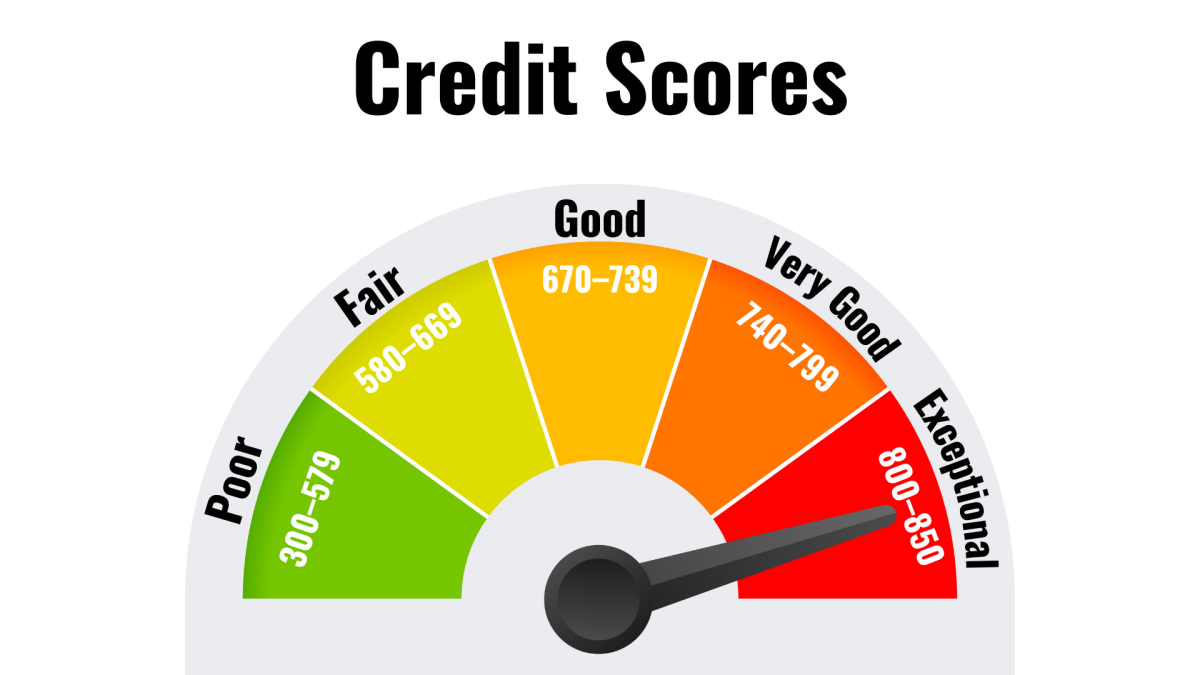
So I’ve been dwelling on this business credit score thing and, you know what, it’s not just a number that really matters. It’s a sign of how dependable my business appears to others when, say, I need something.
Think about it like this:
- Getting Loans and Funding: If ever I chalk up a need for money, to expand the business or buy new equipment, one of the first things that a bank or lender will look at is my business credit score. I’ll probably earn their trust more, and maybe they will even approve me for a lower interest rate. A low score? That potentially could mean higher costs, or even a flat-out no.
- Working with Suppliers: It’s not just the banks. For services or supplies that I need to get from other companies, they invariably also check my business credit score. If my score is good, they possibly will offer me variation of terms, meaning allowing me to pay in 30 or 60 days for example instead of cash beforehand. This is basically my cash flow.
- Attracting Partners and Clients: If I’m in the market for business partners or if I’m trying to contract with bigger clients, especially other businesses, chances are they’ll want to look at my creditworthiness. I’m a Big Bad Wolf with an exceptional score and it makes me appear stable and dependable, which in turn helps me sign new deals and forge healthier relationships.
A good credit score makes it easier to secure financing. Exploring business funding options can give you access to various types of capital for your business growth.
How is a Business Credit Score Calculated?
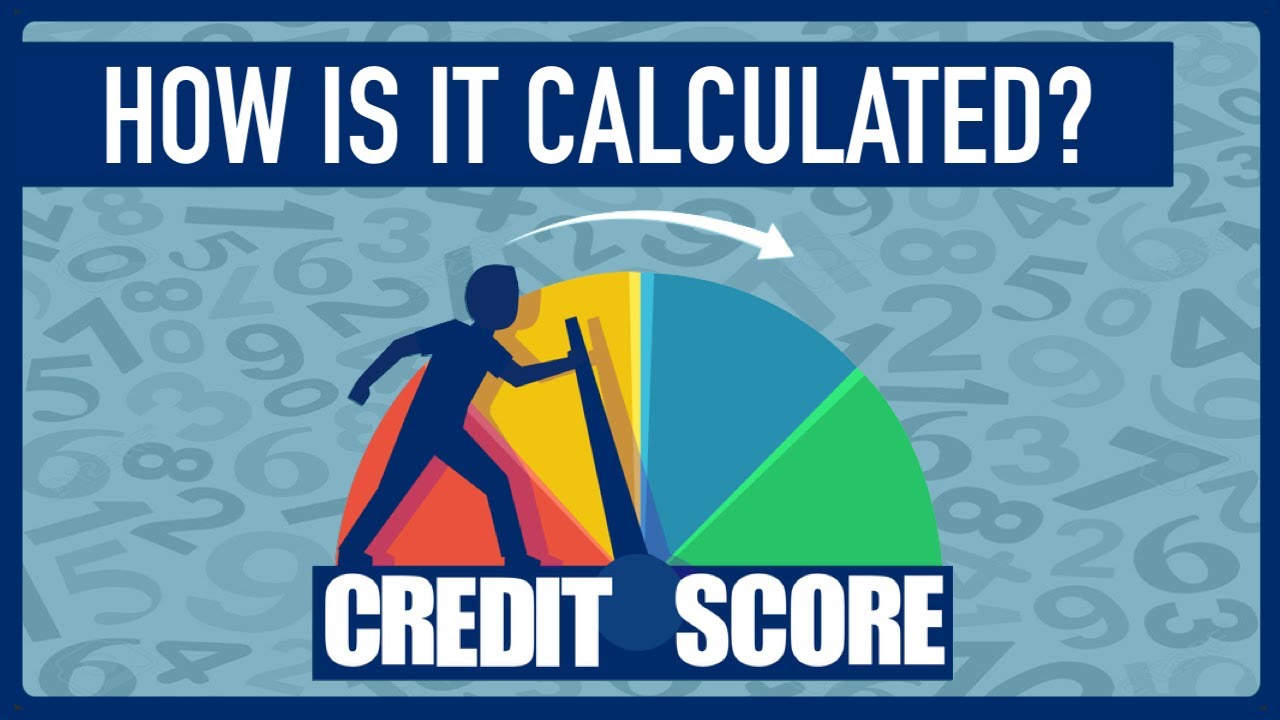
So how does a business credit score actually come together? It’s not quite as cut-and-dried as my credit score, which I feel like I’ve got a handle on. It is a little more complicated for businesses, and individual companies have their own methods of determining it. I’ve learned that having insight into this process is crucial in knowing what you’re up against.
The Role of Credit Reporting Agencies (Experian, Equifax, Dun & Bradstreet)
When it comes to the business credit game, most people talk about three large players: Experian, Equifax and Dun & Bradstreet. Consider them the scorekeepers for business. Each one of these agencies gathers a huge amount of data about companies and has its own system for crunching the numbers to arrive at a score.
Your credit score is affected by several factors, including how much of your available credit you’re using. If you’re curious about how business lines of credit work, they can significantly impact your credit score. They’re the ones lenders and suppliers scrutinize when they want to know whether they should do business with you.
The Three Main Business Credit Scores
The agencies have their own methods, though they all try to provide a score that will tell lenders how likely it is that a business will pay its bills on time. Most business credit scores land on a scale of 0 to 100. The higher, the better. The 80s or the mid-90s often is seen as pretty good an indication that a business represents low risk. Conversely, a score in the lower range say below 50 can indicate elevated risk. It’s worth noting that these are not just random numbers they are, in fact, rooted in real financial behavior.
Key Factors that Affect Your Score
There are multiple factors that contribute to a business credit score. I’ve learned that it’s a combination of disparate data points:
- Payment History: This is a very important factor. How reliable are you in terms of paying your bills on time? Late payments can be a real score killer. It is not only about paying your loans, but also your suppliers and vendors.
- Credit Utilization: Just as with personal credit, this measures the amount of your available credit you’re actually using. You typically want to keep this ratio low, though ideally below 30%, which tends to be better for your score.
- Public Records: Events such as a bankruptcy, lien or judgment against your business can appear here and hurt your score. It’s a little bit like a public record of financial hardship.
- Length of Credit History: How long has your business had credit? A long history of responsible credit use can be a good thing.
- Business Size and Age: There are instances where the size of your business and its history can have an influence on how they calculate these scores.
It’s a lot to remember and keep track of, but in essence, they are examining your past to anticipate how you will handle money moving forward.
How to Check Your Business Credit Score

So now, you’re probably asking yourself, “Great, how do I actually view this business credit score we’ve been talking about?” It’s not as simple as checking your personal credit report, but it can certainly be done. I have found it important to keep an eye on for a few reasons.
For starters, you should understand what lenders and prospective partners see when they look at your business. It provides an actual snapshot of the financial health of your business. This is how I generally proceed:
- Identify the Main Bureaus: The major players in business credit reporting are Dun & Bradstreet, Experian and Equifax. They each score and report in their own way. You may have to ask each or at least the ones pertaining to your industry.
- Request Your Report: Unlike personal credit, receiving your business credit report often isn’t a matter of a simple online click. And sometimes you have to ask the reporting agency that funneled it to your record for a copy. There are some services that offer free reports or trials, but the majority of the time it will cost you, especially if you want detailed information or ongoing monitoring. Checking your credit quality, I found, is a good first step.
- Understand the Score: Remember, most business credit scores have a scale of 0 to 100 with higher numbers being better. Each bureau’s good, fair or poor credit ranges or categories may be a bit different. It is always interesting to examine what each agency considers a low-risk score.
Paying bills on time and reducing your credit utilization ratio can significantly improve your score. However, if you’re dealing with a lower score, you might still be able to secure a loan. Learn how to get a loan with bad credit and explore options tailored for business owners with less-than-ideal credit.
Common Misconceptions About Business Credit Scores

I’ve found that many people can be a little confused about business credit scores. It’s really nothing like personal credit, and there are several things I hear repeatedly that are just plain untrue. Let’s clear some of that up.
Let us get going with a big one I often hear business owners mention that being their business credit score is the same as his or her personal credit score. That’s a big no-no. Your personal credit can sometimes affect your business credit particularly if you personally guaranteed loans or have used personal credit cards for business purchases but they are not the same.
Many business owners think that personal credit scores directly impact business credit scores. While they are separate, they can influence small business loan interest rates and your ability to secure favorable financing terms.
Lastly, I’ve heard people presume that once something bad hits their business credit report the item must be there forever or, conversely, that paying a debt means it just disappears instantly. That’s not exactly how it goes. As with personal credit, bad news can linger for years often nearly a decade. It is absolutely the right thing to do and it will help your score in the long run but it does not make late payments or defaults disappear from your report immediately.
Frequently Asked Questions
What exactly is a business credit score?
Think of a business credit score as a grade that shows how reliable your business is when it comes to paying back money. It’s a number that lenders and other companies look at to decide if they want to do business with you, like giving you a loan or letting you pay for supplies later.
How is my business credit score figured out?
Several big companies, like Experian, Equifax, and Dun & Bradstreet, calculate these scores. They look at things like how often you pay your bills on time, how much debt your business has, and if there are any public records like lawsuits against your company. It’s like a report card for your business’s financial behavior.
Why should I care about my business credit score?
A good score can open doors! It makes it easier to get loans, get better deals from suppliers, and even attract partners. On the flip side, a low score can make it tough to get funding and might even stop other businesses from working with you.
Can my personal credit score affect my business credit score?
Sometimes, especially when your business is new. If you use your personal credit card or guarantee a business loan, your personal credit habits can definitely influence your business score. It’s best to keep them separate as your business grows.
How can I make my business credit score better?
The best way is to pay all your business bills on time, every time. Also, try not to use up all the credit you have available. Working with companies that report your payments to the credit bureaus can also help build a strong history for your business.
How do I find out what my business credit score is?
You can request your business credit report from the major credit bureaus like Experian, Equifax, and Dun & Bradstreet. Some services even offer alerts to let you know if your score changes, which is super helpful for keeping track.
